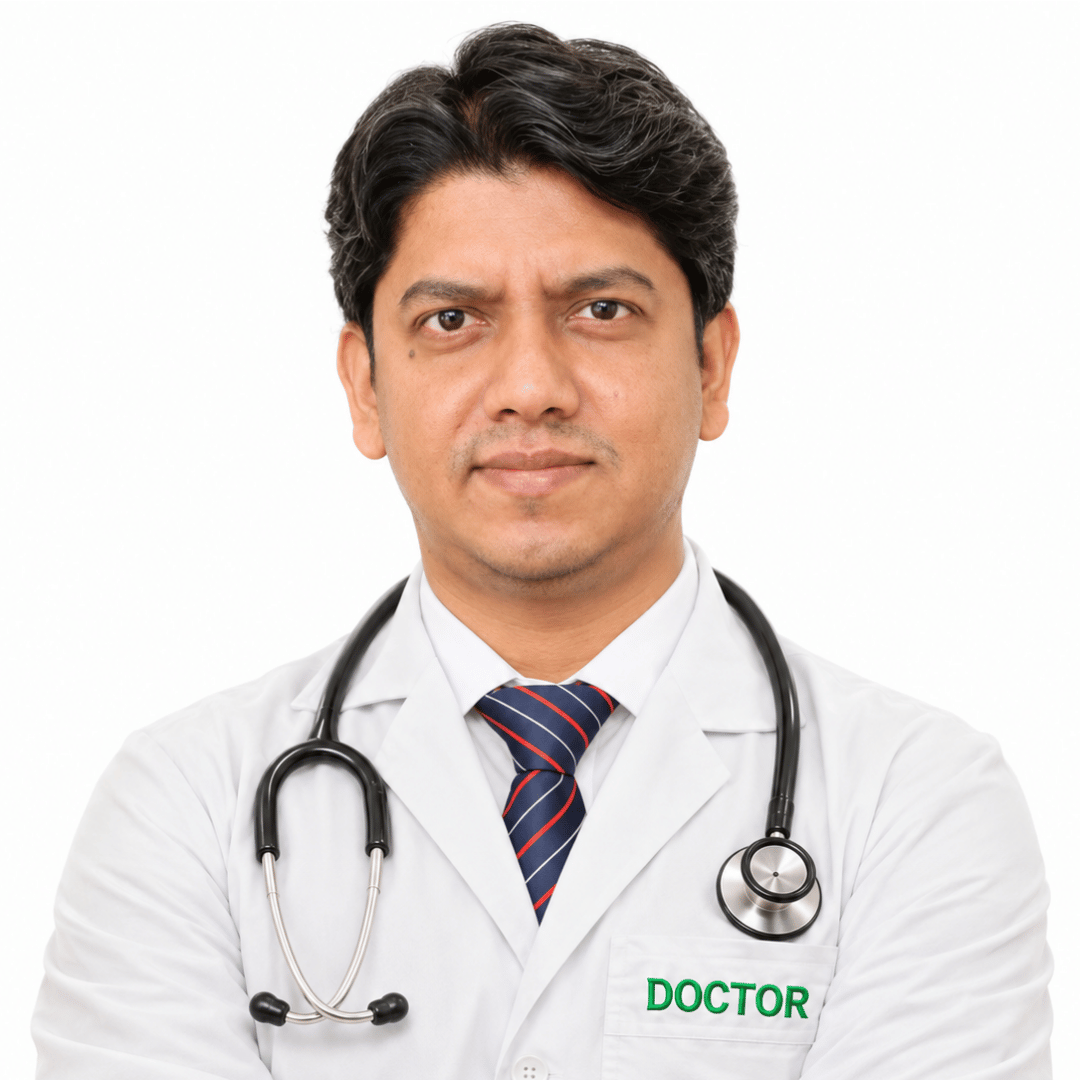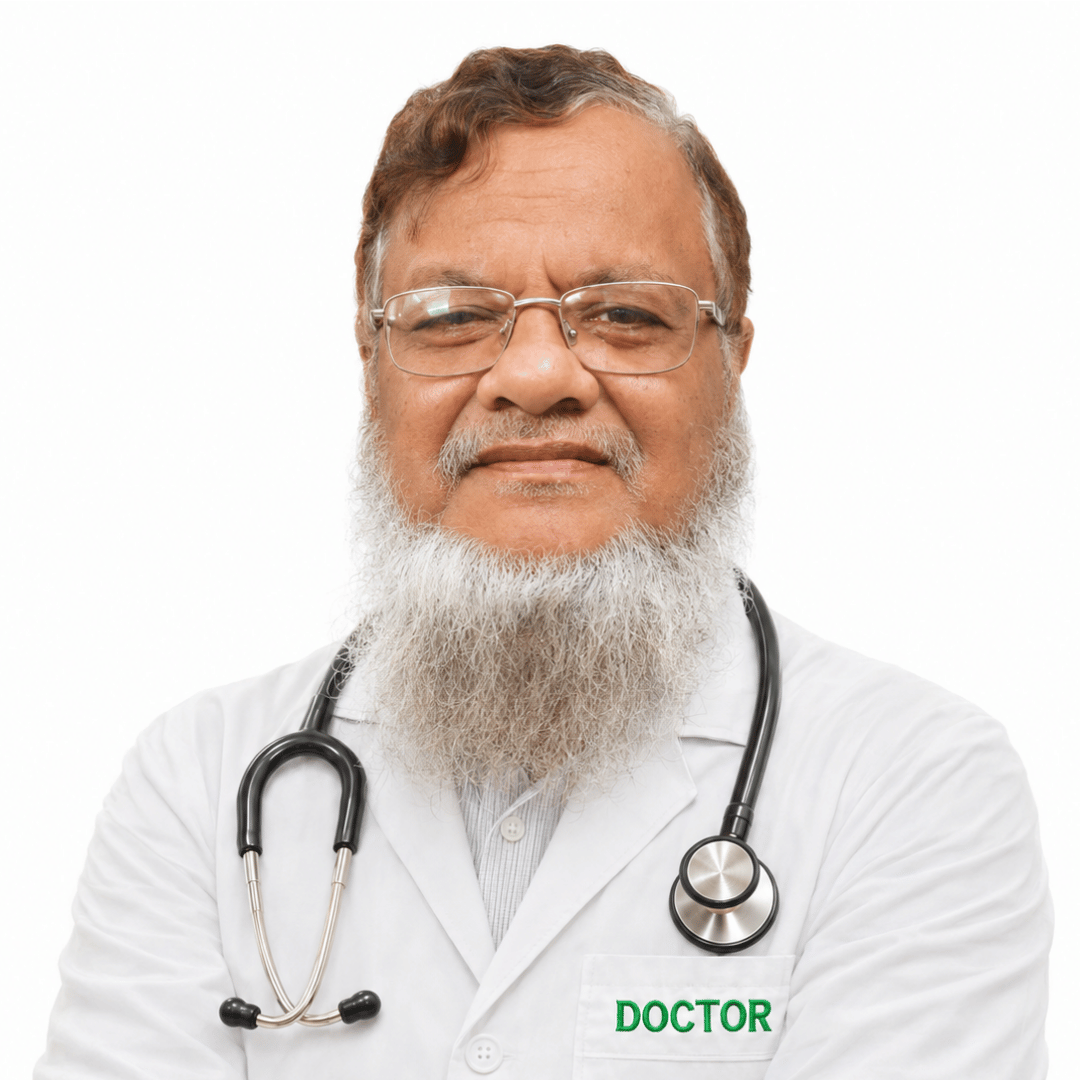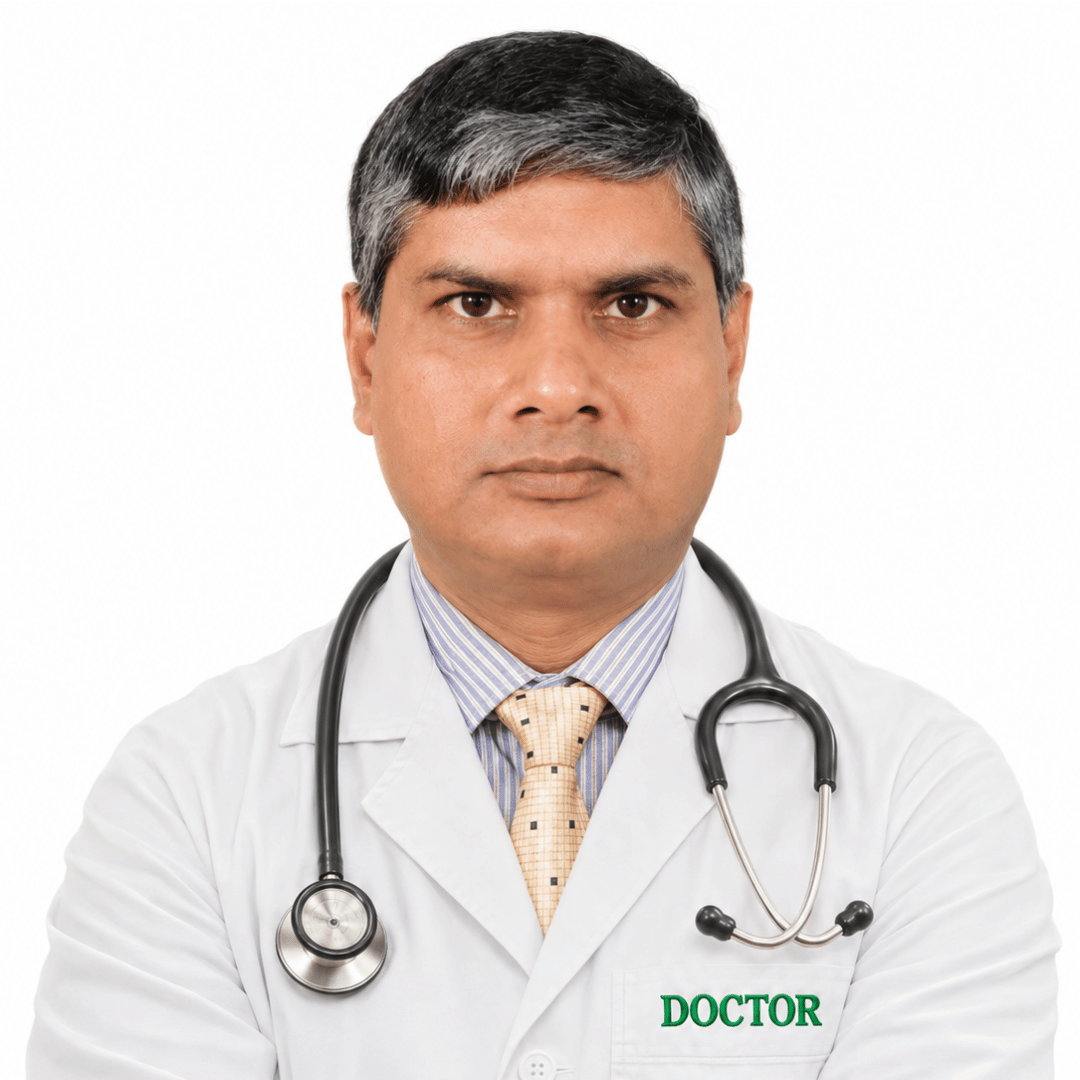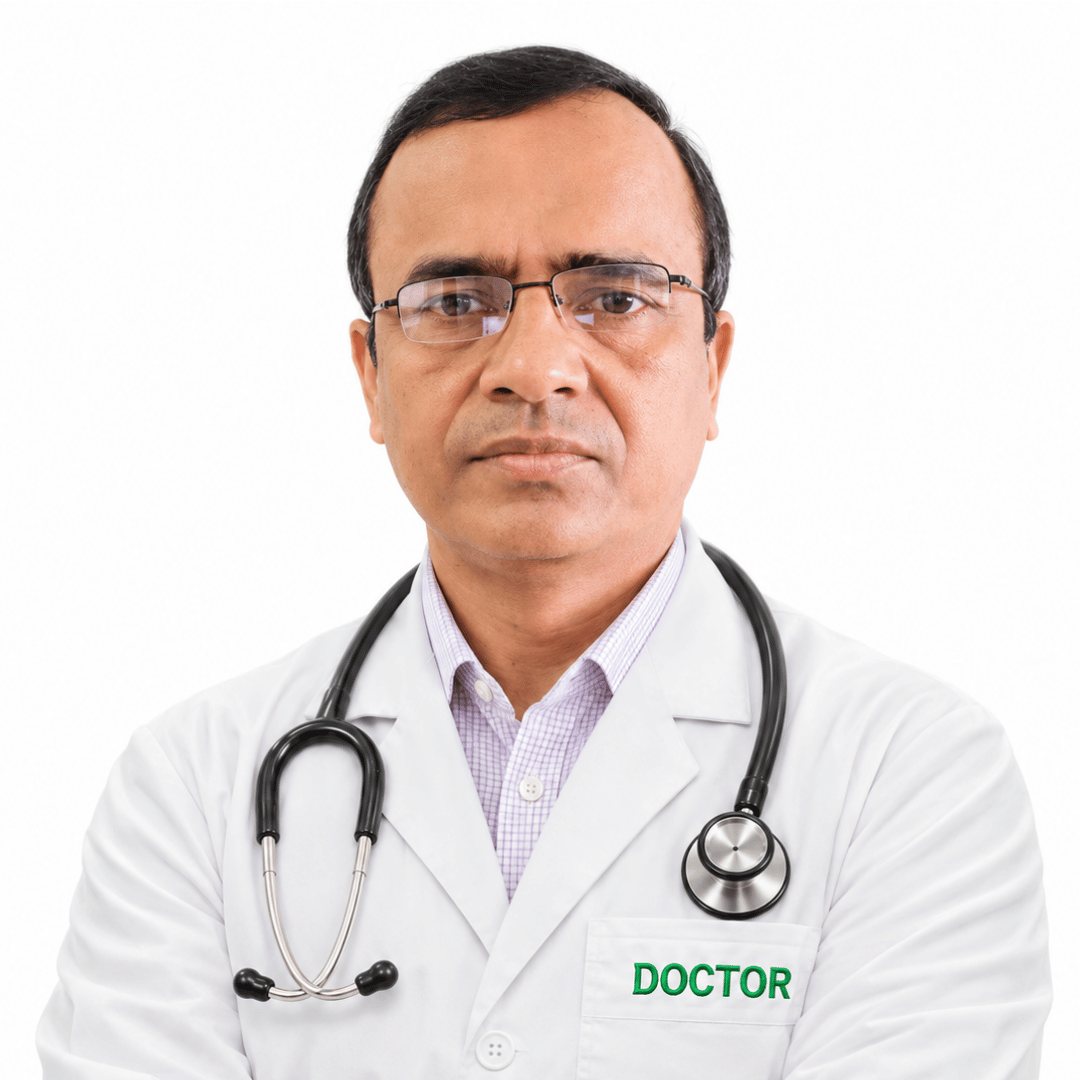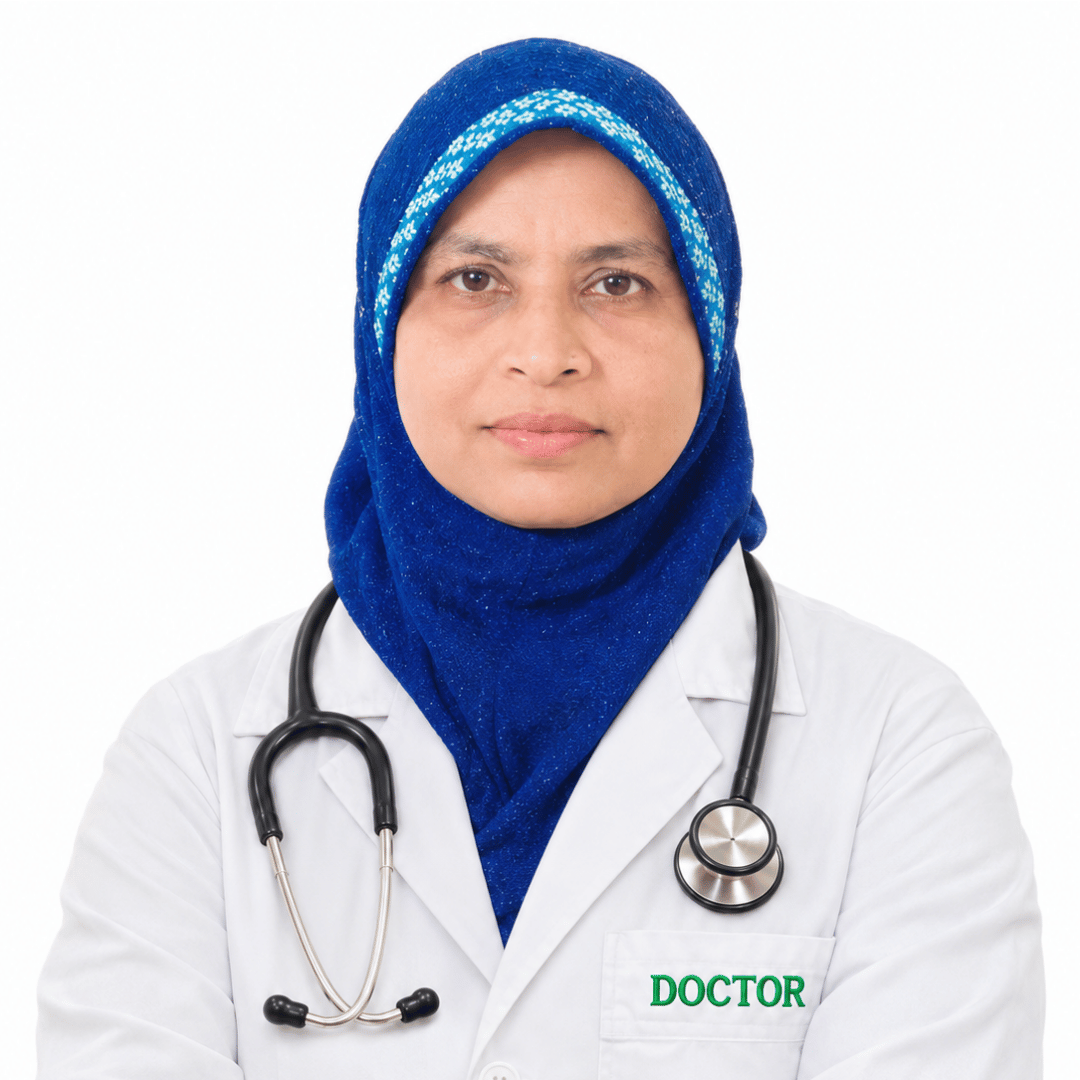

MBBS, BCS (Health), MD (Respiratory Medicine)
Chest Diseases, Bronchoscopy & Thoracoscopy Specialist
Interventional Pulmonologist
🎯 Idiopathic pulmonary, Sarcoidosis management, Obstructive sleep, Pleural effusion, Pulmonary embolism
View Profile →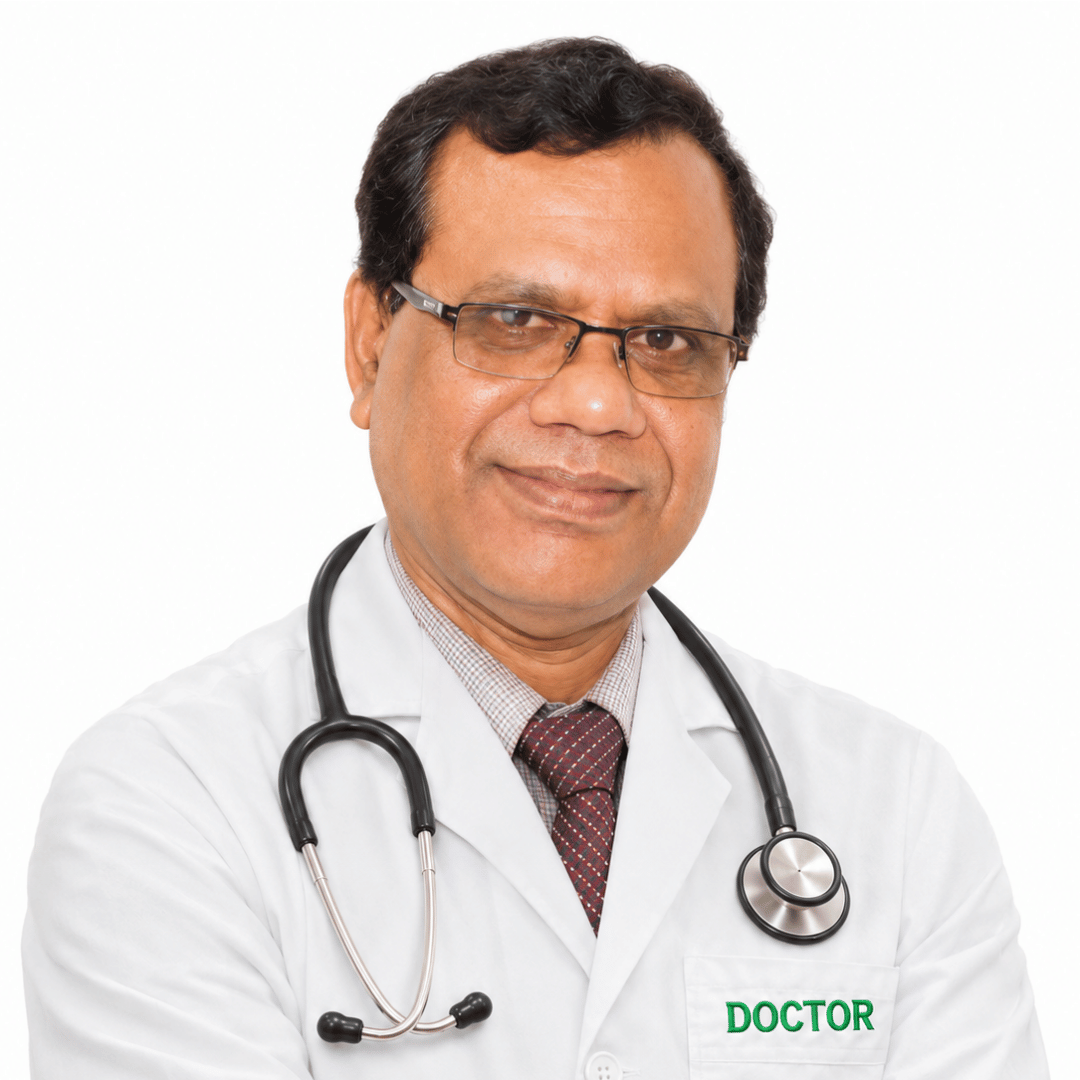
Pulmonology and Chest Diseases
MBBS, MCPS, MD (Chest Disease), FCCP (USA)
Chest Diseases, Asthma & Respiratory Medicine Specialist
🎯 Expert in treating: Refractory asthma, Post-acute COVID-19, Severe bronchospasm, Pulmonary alveolar, Critically ill
🎓 Assistant Professor, Respiratory Medicine
🏛️ Khulna Medical College & Hospital, Khulna
Assistant Professor, Respiratory Medicine — Khulna Medical College & Hospital, Khulna
Asst. Prof. Dr. Sonchoy Kumar Biswas is an Assistant Professor of Respiratory Medicine at Khulna Medical College & Hospital, Khulna, with over 20 years of distinguished clinical, academic, and intensive pulmonology experience. As an eminent Pulmonologist and Chest Diseases Specialist, he provides expert care for refractory asthma, post-acute COVID-19 complications, severe bronchospasm, pulmonary alveolar conditions, and critically ill respiratory patients. Patients seeking expert pulmonary evaluation receive evidence-based treatments tailored to ensure safe respiratory recovery and long-term breathing stability. His medical practice combines high-precision lung imaging with individualized, critical care-focused patient management plans.
🏥 Popular Diagnostic Center, Khulna · Diagnostic Center
📍 House # 37, KDA Avenue (Moylapota-Sheikhpara), Khulna
🕒 Visiting hours: 5:00pm to 6:00pm (Closed: Friday)
💳 Consultation fee: ৳800
Asst. Prof. Dr. Sonchoy Kumar Biswas is an Assistant Professor of Respiratory Medicine at Khulna Medical College & Hospital, Khulna, with over 20 years of distinguished clinical, academic, and intensive pulmonology experience. As an eminent Pulmonologist and Chest Diseases Specialist, he provides expert care for refractory asthma, post-acute COVID-19 complications, severe bronchospasm, pulmonary alveolar conditions, and critically ill respiratory patients. Patients seeking expert pulmonary evaluation receive evidence-based treatments tailored to ensure safe respiratory recovery and long-term breathing stability. His medical practice combines high-precision lung imaging with individualized, critical care-focused patient management plans.
Asst. Prof. Dr. Sonchoy Kumar Biswas completed his MBBS degree, establishing a robust clinical foundation in general medical sciences. He demonstrated a profound commitment to respiratory medicine by earning his Membership of the College of Physicians and Surgeons (MCPS) and the highest clinical degree, Doctor of Medicine (MD) in Chest Diseases. Validating his expertise on a global scale, he achieved the prestigious Fellowship of the American College of Chest Physicians (FCCP, USA). Finding the best Pulmonologist in Khulna leads patients to rely on his 20+ years of academic leadership and specialized clinical expertise in managing life-threatening respiratory conditions across premier government medical institutions.
His primary clinical focus includes advanced biological therapies for refractory asthma, comprehensive pulmonary rehabilitation for long COVID patients, emergency airway management for severe bronchospasms, targeted interventions for pulmonary alveolar disorders, and intensive non-invasive ventilation (NIV) support for the critically ill. His diagnostic framework incorporates advanced spirometry, high-resolution CT (HRCT) of the chest, diagnostic bronchoscopy, arterial blood gas (ABG) analysis, and comprehensive risk stratification to formulate effective, long-term respiratory strategies.
| Profile Field | Details |
| Full Name | Asst. Prof. Dr. Sonchoy Kumar Biswas |
| Primary Specialty | Pulmonology & Respiratory Medicine |
| Secondary Specialties | Critical Respiratory Care & Asthma Immunology |
| Designation | Assistant Professor (Respiratory Medicine) |
| Workplace | Khulna Medical College & Hospital, Khulna |
| Total Experience | 20+ Years |
| Location | Khulna, Bangladesh |
MBBS – Bachelor of Medicine and Bachelor of Surgery
MCPS – Member of the College of Physicians and Surgeons
MD (Chest Disease) – Doctor of Medicine in Chest Diseases
FCCP (USA) – Fellow of the American College of Chest Physicians, United States
Designation: Assistant Professor (Respiratory Medicine)
Workplace: Department of Respiratory Medicine, Khulna Medical College & Hospital, Khulna
Refractory asthma requires advanced biological therapies and targeted immune modulators.
Post-acute COVID-19 syndrome demands long-term pulmonary rehabilitation and fibrosis monitoring.
Severe bronchospasm needs emergency bronchodilation and systemic corticosteroid care.
Pulmonary alveolar disorders require specialized bronchoalveolar lavage and diagnostic imaging.
Critically ill respiratory conditions demand non-invasive ventilation (BiPAP/CPAP) and ICU-level care.
Chronic obstructive pulmonary disease (COPD) requires advanced bronchodilator therapy.
Interstitial lung disease (ILD) needs specialized anti-fibrotic care.
Bronchiectasis demands rigorous airway clearance and chronic infection control.
Pneumonia requires culture-specific intravenous antibiotic therapy.
Tuberculosis (TB) needs strict, long-term DOTS medical regimens.
Pleural effusion requires diagnostic thoracentesis and targeted drainage.
Lung cancer demands early detection via bronchoscopy and oncological referral.
Sleep apnea demands sleep study evaluation and CPAP therapy.
Pulmonary embolism requires urgent anticoagulation therapy.
Acute respiratory distress syndrome (ARDS) requires intensive respiratory support.
Advanced Airway & Asthma Management: Precision care for severe, difficult-to-treat asthma (refractory) and acute airway constriction (bronchospasm) using the latest pharmacological advancements.
Post-Viral & Critical Respiratory Care: Expert, life-saving interventions for critically ill patients in respiratory failure and comprehensive rehabilitation for lung damage following severe COVID-19 infections.
Alveolar & General Pulmonary Medicine: Specialized diagnostic protocols for diseases affecting the deep air sacs of the lungs (alveoli) and comprehensive management of chronic lung diseases leveraging 20 years of clinical experience.
For patients whose asthma cannot be controlled with standard high-dose inhalers (refractory asthma), Dr. Biswas utilizes advanced biologic injections (like Omalizumab or Mepolizumab). These targeted therapies block specific inflammatory pathways (such as IgE or eosinophils) in the immune system, dramatically reducing asthma attacks and emergency room visits.
A minimally invasive endoscopic procedure essential for evaluating pulmonary alveolar conditions and severe lung infections. A flexible scope is passed into the lungs, and sterile saline is flushed into the air sacs (lavage) and collected. Analyzing this fluid helps precisely diagnose rare alveolar proteinosis, hemorrhage, or unusual infections.
A critical care intervention for patients suffering from acute respiratory failure due to severe COPD exacerbations or post-acute COVID lung damage. Using precisely calibrated BiPAP or CPAP machines, pressurized air is delivered through a tight-fitting mask to keep the airways open, improve oxygenation, and prevent the need for invasive intubation.
A highly debilitating form of asthma that remains uncontrolled despite the patient strictly adhering to high-dose inhaled corticosteroids and long-acting bronchodilators. Patients experience frequent, severe exacerbations that drastically impair their quality of life. It requires a deep phenotyping approach to identify specific allergic or eosinophilic triggers for targeted biologic treatments.
Many patients who survive severe COVID-19 infections are left with persistent, devastating lung damage. Symptoms include chronic debilitating shortness of breath, a persistent dry cough, and exercise intolerance due to post-viral lung scarring (fibrosis) or ongoing inflammation. Management requires prolonged, carefully structured pulmonary rehabilitation and anti-inflammatory care.
A sudden, intense, and life-threatening constriction of the muscles lining the airways (bronchi), making breathing nearly impossible. It sounds like a loud, high-pitched wheeze and can be triggered by severe allergies, chemical inhalation, or sudden asthma attacks. It requires immediate, aggressive emergency intervention with nebulized bronchodilators and intravenous steroids.
Asst. Prof. Dr. Sonchoy Kumar Biswas combines two decades of profound clinical wisdom with advanced critical care pulmonology. His philosophy emphasizes aggressive, early intervention for critically ill respiratory patients, a deeply personalized approach to managing hard-to-treat asthma, and compassionate, long-term rehabilitation for patients suffering from the lingering effects of severe viral pneumonias.
Emergency Callout: Immediate emergency medical evaluation is required if a patient experiences sudden, severe breathlessness accompanied by a "silent chest" (no wheezing because airways are completely closed off during a severe bronchospasm), profound confusion or lethargy (signs of severe carbon dioxide retention), or blue discoloration of the lips and fingertips (severe hypoxia).
Member, Bangladesh Medical and Dental Council (BMDC)
Fellow, American College of Chest Physicians (FCCP, USA)
Member, Chest and Heart Association of Bangladesh
Member, Bangladesh Lung Foundation
Bring all prior diagnostic imaging films (HRCT scans, previous Chest X-rays) and full Spirometry reports.
Bring all hospital discharge summaries, especially if you were admitted to an ICU or required oxygen therapy for COVID-19 or severe asthma.
Maintain a complete list of current prescription medications, and bring all your current inhalers to ensure proper technique is being used.
Keep a detailed symptom diary noting how many times per week you use a rescue inhaler or wake up at night coughing.
Last Modified: October 24, 2026
Regular asthma can usually be managed well with standard daily inhalers (corticosteroids). Refractory (or severe) asthma is a rare subset where the disease simply does not respond to maximum doses of standard inhalers. Patients continue to have frequent, dangerous asthma attacks, requiring highly specialized treatments like biologic injections or long-term oral steroids to control the severe underlying inflammation.
For some patients, post-COVID lung issues—such as extreme shortness of breath, chronic cough, and reduced lung capacity—can persist for months or even years. The virus can cause significant scarring (fibrosis) in the delicate air sacs. Recovery heavily depends on early, consistent pulmonary rehabilitation and specialized respiratory therapies to maximize remaining lung function.
The alveoli are the millions of microscopic air sacs deep in the lungs where oxygen enters the blood. Disorders affecting this area (like Pulmonary Alveolar Proteinosis or alveolar hemorrhage) mean the sacs fill with abnormal proteins, fluid, or blood instead of air. This causes severe oxygen deprivation and requires expert diagnostic procedures like Bronchoalveolar Lavage (BAL) to treat.
A bronchospasm is the sudden, violent tightening of the bands of muscle surrounding your airways. In a severe spasm, the airway becomes so narrow that virtually no air can pass in or out, rapidly dropping oxygen levels in the blood. If not immediately reversed with nebulized medications and steroids, it can lead to fatal respiratory arrest.
This means the pulmonologist is highly trained in managing patients who are on the brink of respiratory failure in intensive care units (ICUs). They are experts in managing advanced life support systems, interpreting complex blood gas levels (ABGs), and utilizing non-invasive (BiPAP) and invasive mechanical ventilation to keep patients alive during severe lung crises like ARDS or severe pneumonia.
FCCP stands for Fellow of the American College of Chest Physicians. It is a globally recognized, prestigious credential awarded to chest specialists who have demonstrated exceptional clinical excellence, profound academic contributions, and strict adherence to the highest international standards in pulmonary and critical care medicine.
Yes. While an MD in General Medicine covers all bodily systems broadly, an MD in Chest Diseases is a highly focused, super-specialized doctorate dedicated entirely to the intricate pathology, diagnosis, and treatment of the lungs and respiratory system. It requires years of intense, specialized training specifically in pulmonology.
The absolute most critical changes are strictly avoiding known triggers (like smoke, strong perfumes, and pet dander), ensuring flawless adherence to your prescribed inhaler routine even when you feel well, and learning the perfect inhaler technique. Furthermore, identifying and aggressively treating acid reflux (GERD) and allergic rhinitis, which frequently worsen severe asthma, is essential.
No reviews yet — be the first to write one.
MBBS, BCS (Health), MD (Respiratory Medicine)
Chest Diseases, Bronchoscopy & Thoracoscopy Specialist
Interventional Pulmonologist
🎯 Idiopathic pulmonary, Sarcoidosis management, Obstructive sleep, Pleural effusion, Pulmonary embolism
View Profile →MBBS, BCS (Health), MD (Respiratory Medicine) (BSMMU)
Chest Diseases, Asthma & Respiratory Medicine Specialist
🎯 Chronic obstructive, Asthma management, Interstitial lung, Pulmonary hypertension, Bronchiectasis care
View Profile →MBBS (Dhaka), DTCD (Dhaka), FCCP (USA)
Special Training from Jaipur, India & Kathmundu, Nepal
Chest Diseases & Respiratory Medicine Specialist
🎯 Silicosis management, Asbestosis care, Berylliosis management, Coal worker, Radiation pneumonitis
View Profile →MBBS, FCPS (Medicine), FRCP (EDIN), DTCD, FACP (USA)
Medicine, Chest Diseases & Asthma Specialist
🎯 Granulomatosis with, Eosinophilic granulomatosis, Goodpasture syndrome, Alveolar proteinosis, Lymphomatoid granulomatosis
View Profile →MBBS, BCS (Health), DTCD, MD (CHEST)
Chest Diseases, Asthma & Respiratory Medicine Specialist
🎯 Tracheal stenosis, Bronchopleural fistula, Chylothorax management, Mediastinal mass, Diaphragmatic paralysis
View Profile →MBBS, MCPS (Medicine), MD (Chest Diseases)
Chest Diseases, Asthma & Respiratory Medicine Specialist
🎯 Cystic fibrosis, Alpha-1 antitrypsin, Bronchopulmonary dysplasia, Lymphangioleiomyomatosis care, Pulmonary alveolar
View Profile →MBBS, MD (Chest Diseases)
Chest Diseases & Asthma Specialist
🎯 Non-tuberculous mycobacterial, Occupational lung, Hypersensitivity pneumonitis, Allergic bronchop, Eosinophilic pneumoniaulmonary,
View Profile →All Pulmonology and Chest Diseases doctors in Khulna → · All of Khulna Division →