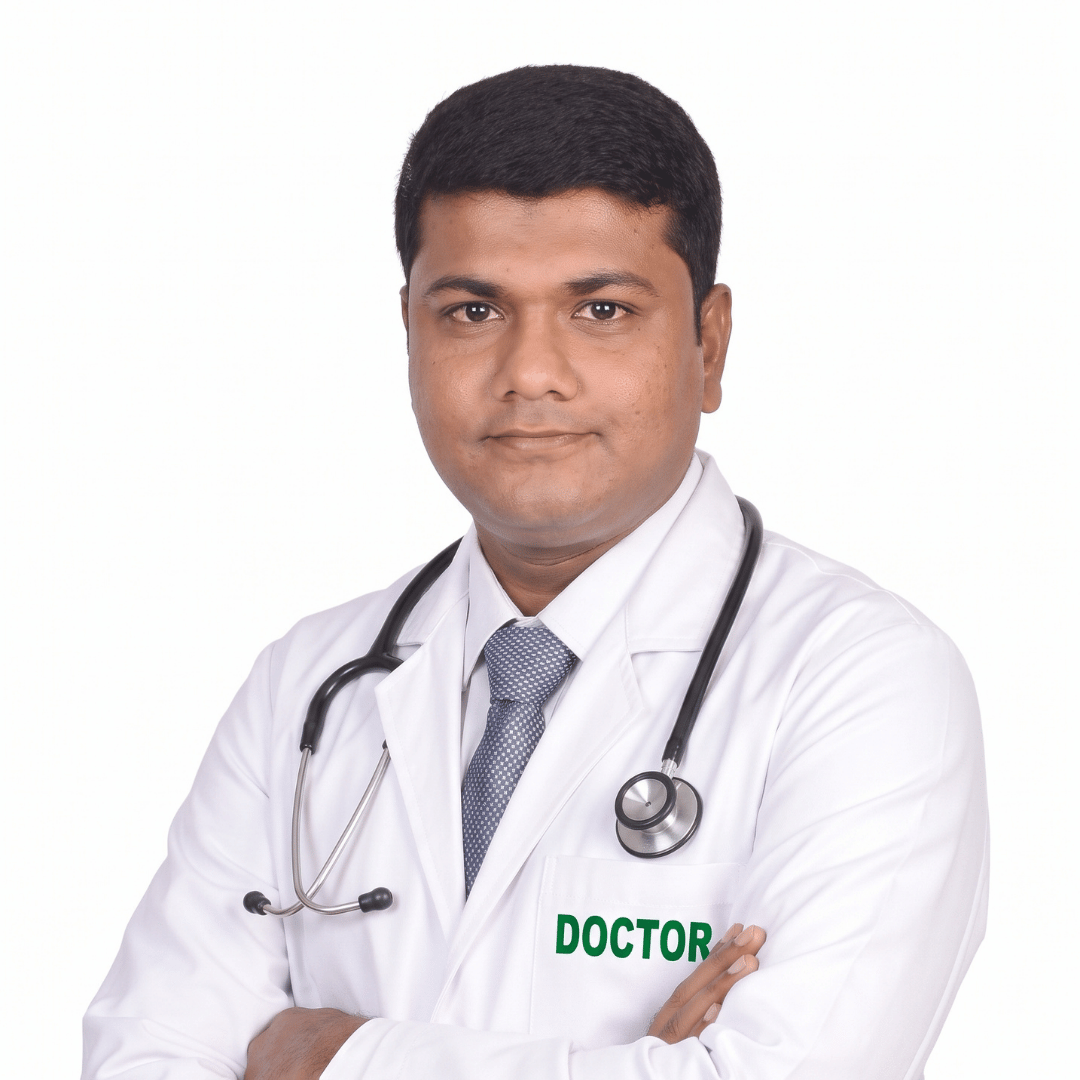

BDS, MPH, PGT (Oral Surgery)
General & Pediatric Dentistry Specialist
🎯 Langerhans cell, Ewing sarcoma, Primary intraosseous, Metastatic neuroendocrine, Calcifying odontogenic
View Profile →Compare verified Dental & Maxillofacial Surgery doctors across Khulna Division — degrees, chambers, visiting hours & fees in one place.
A dentist is a health professional trained to prevent, diagnose, and treat diseases of the teeth, gums, mouth, and jaws. Most visits are for toothache, decay, bleeding gums, cleaning, or tooth replacement, and regular check-ups catch problems before they hurt.
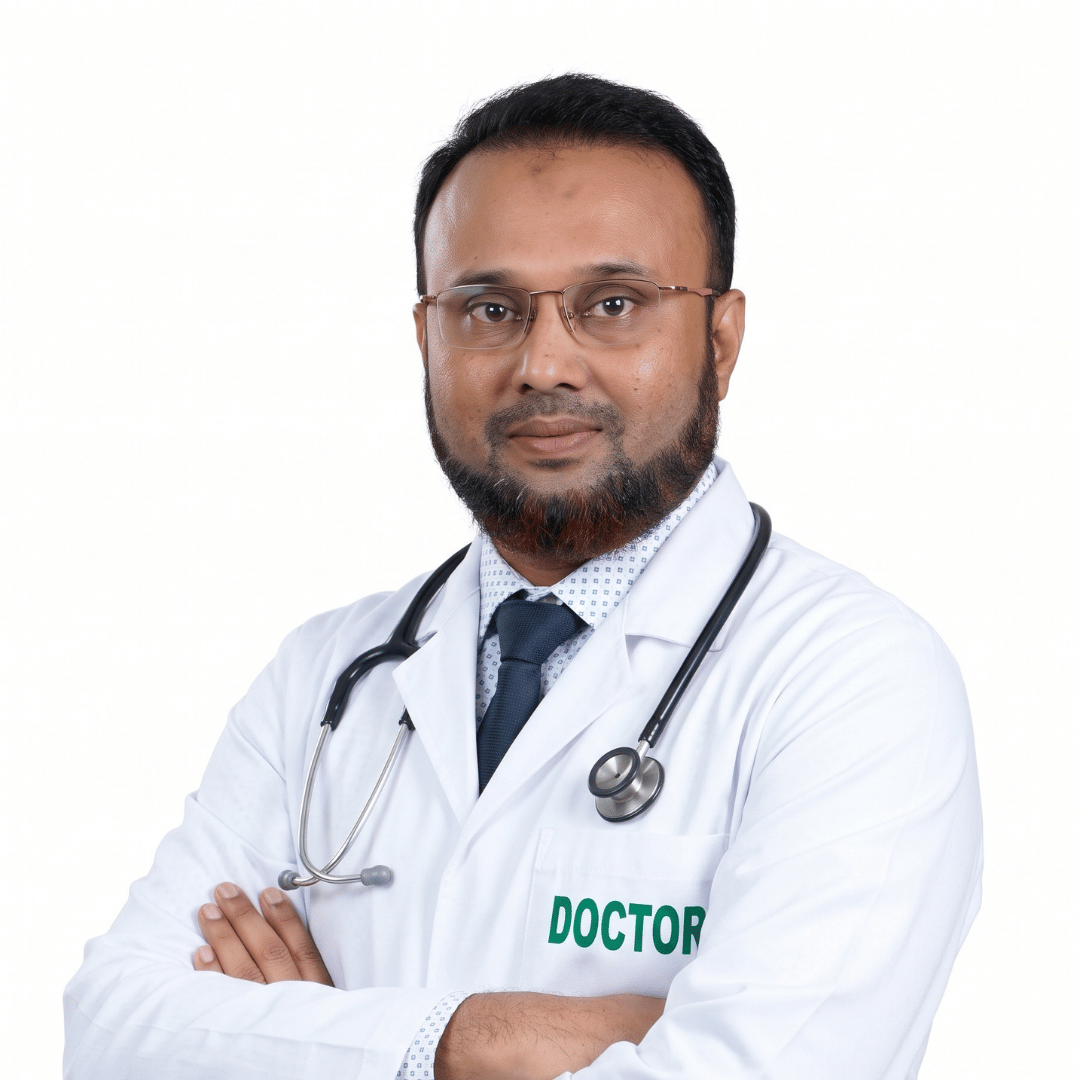
BDS, MPH, PGT (Oral Surgery)
General & Pediatric Dentistry Specialist
🎯 Langerhans cell, Ewing sarcoma, Primary intraosseous, Metastatic neuroendocrine, Calcifying odontogenic
View Profile →BDS (RU), PGT (Oral & Maxillofacial Surgery)
Oral & Dental Surgeon
🎯 Gorlin-Goltz syndrome, Gardner syndrome, Peutz-Jeghers syndrome, Peutz-Jeghers syndrome, Ehlers-Danlos syndrome
View Profile →BDS (RMC), PGT (Conservative & Endodontics)
Oral & Dental Surgeon
🎯 Papillon-Lefèvre syndrome, Stafne bone, Ghost cell, Odontogenic myxoma, Ameloblastic fibroma
View Profile →BDS (RMC), PGT (Oral & Maxillofacial Surgery), PGT (Orthodontics)
Oral , Dental, & Maxillofacial Surgery Specialist
🎯 Ectodermal dysplasia, Cleidocranial dysplasia, Amelogenesis imperfecta, Dentinogenesis imperfecta, Regional odontodysplasia
View Profile →BDS (DU), PGT (OMFS)
Oral & Dental Surgery Specialist
🎯 Pyogenic granuloma, Peripheral giant, Eruptive cyst, Glandular odontogenic, Calcifying epithelial
View Profile →BDS (DDC), BCS (Health), DDS (Dentistry), FICD (USA)
Fellow: OSSTEM Implant (South Korea), Advanced Training on Cosmetic Dentistry (MICD),
Advanced Training on IAT Implants (Japan), Advanced Training on Laser and IAT Implants (Japan)
Oral and Maxillofacial Surgeon (Dental Surgeon)
🎯 Osteoradionecrosis of, Cemento-osseous dysplasia, Odontogenic keratocyst, Cherubism management, Pemphigus vulgaris
View Profile →BDS (DDC), MS (Oral & Maxillofacial Surgery), FICD (USA)
Fellow: OSSTEM Implant (South Korea), Fellow: Nobel Bio Care; JTK Implants,
Advanced Training on Implant Surgery (China)
Oral and Maxillofacial Surgeon (Dental Surgeon)
🎯 Aggressive periodontitis, Oral submucous, Ameloblastoma management, Trigeminal neuralgia, Ludwig angina
View Profile →A dentist treats tooth decay, toothache, gum disease, impacted wisdom teeth, missing teeth, crooked teeth, and mouth sores, and screens for oral cancer. This guide explains which dental problems need prompt care, how examinations and X-rays work, what fillings, root canal treatment, extractions, crowns, dentures and implants involve, and how to protect your teeth every day. It also explains how a general dentist differs from an oral surgeon, orthodontist, and gum specialist. Facial swelling that spreads, difficulty breathing or swallowing, bleeding that will not stop, or a knocked-out tooth needs urgent care.
Searching for a dentist or a toothache doctor often starts with pain at the wrong hour or with worry about cost and treatment. This page sets out what a dental visit involves, which treatment fits which problem, and how to tell a dental problem you can book for next week from one that cannot wait.
Key Takeaways
Table of Contents
Why Dental Problems Get Worse Before People Seek Care
Conditions a Dentist Treats
Types of Dental Specialists
Five Problems Explained
Tooth decay and toothache begin when bacteria and sugars wear away enamel. Early decay can be filled, deeper decay may need root canal treatment, and a tooth that cannot be saved may be extracted.
Gum disease starts as red, swollen gums that bleed when brushing and can progress to bone loss and loose teeth. Early disease is reversible with cleaning and better home care, and advanced disease needs specialist treatment.
Wisdom teeth may come in sideways or partly, trapping food and causing repeated pain, swelling or infection. Removal is advised when problems keep returning or damage is likely.
Missing or crooked teeth can be treated with bridges, dentures, implants or braces. The best option depends on the number of teeth, bone and gum health, age and cost.
Mouth ulcers and oral cancer warning signs matter because most ulcers heal within about two weeks. A sore, white or red patch, or lump that lasts more than three weeks, especially in people who smoke or chew tobacco or betel quid, needs prompt examination.
How Examination and Diagnosis Work
Treatment Options
Daily Care and Prevention
Warning Signs That Need Urgent Care
Quick-Reference Table
| Problem | Typical signs | When to see the specialist |
|---|---|---|
| Cavity or toothache | Sensitivity, pain on chewing, dark spot | Within days, and sooner if pain is constant |
| Gum disease | Bleeding, bad breath, loose teeth | When bleeding lasts more than a week or two |
| Dental abscess | Swelling, throbbing pain, pimple on gum | Same day or next day |
| Wisdom tooth trouble | Repeated pain or swelling at the back | When episodes recur, or swelling appears |
| Mouth ulcer or patch | Sore or patch lasting over three weeks | Promptly |
| Knocked-out tooth | Tooth out after injury | Immediately, within an hour |
Which Specialist Should I See?
Myths and Facts
Browse Dentists on Specialist Doctor Khulna
Find dentists and related specialists listed on Specialist Doctor Khulna.
Related pages: ENT Specialist, Pediatrician, Medicine Specialist, General Surgeon.
A general dentist handles check-ups, fillings, cleaning, and many extractions. An oral and maxillofacial surgeon deals with complex extractions, wisdom teeth, jaw and facial surgery, while an orthodontist straightens teeth and corrects bites with braces or aligners.
Many dentists recommend visits every six months, though people with gum disease, frequent cavities, or diabetes may need more frequent visits. Children can have a first dental visit when their first teeth appear or around their first birthday.
Not always. Pain can stop when the nerve inside the tooth dies, while the infection continues. Book an examination, especially if the pain returns or you have swelling.
X-rays show decay between teeth, infection at the root and bone loss that cannot be seen by eye. Dental X-rays use a very low dose, and dentists use them only when they will change the treatment plan.
The area is numbed, the infected nerve tissue is removed, the canals are cleaned and sealed and the tooth is usually protected with a crown. Most people feel pressure rather than pain, and the treatment relieves the toothache.
When they are impacted or repeatedly infected, they can damage the next tooth or cause cysts or persistent pain. Wisdom teeth that are healthy and fully erupted may simply be monitored.
A bridge, a removable denture or an implant. The right choice depends on the number of missing teeth, bone and gum health, other medical conditions and cost.
Brush twice daily with fluoride toothpaste, clean between teeth, cut back on sugary snacks and drinks, avoid tobacco and betel quid, and attend regular check-ups.
Swelling that spreads to the eye or neck, difficulty breathing or swallowing, fever with facial swelling, uncontrolled bleeding, a knocked-out tooth and a jaw injury need urgent care.
Note when the problem began and what triggers it, and bring a list of your medicines. Tell the dentist if you have diabetes, heart disease, are pregnant or take blood thinners, and bring any earlier dental X-rays.
Pick your district and see live availability with the doctor finder.