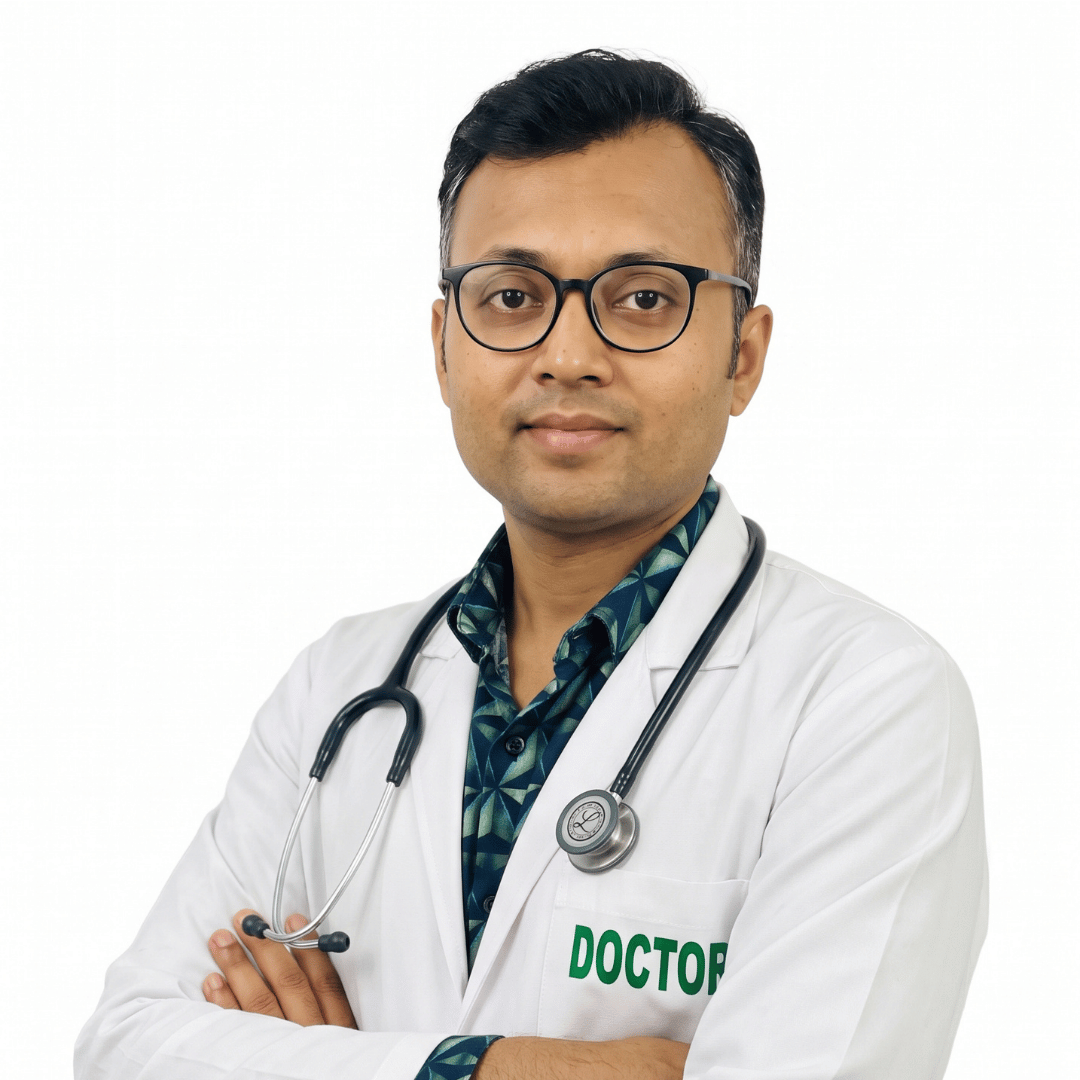

MBBS, BCS (HEALTH), D-ORTHO (BSMMU)
Orthopedics (Bone, Joint, Trauma, Spine) Specialist & Surgeon
🎯 Plantating fasciitis, Bone tumor, Achilles tendonitis, Bunion surgery, Shoulder dislocation
View Profile →
Orthopedics
MBBS, D-ORTHO
Orthopedics, Bone, Joint Specialist & Trauma Surgeon
🎯 Expert in treating: Carpal tunnel, Meniscus repair, Scoliosis correction, Hip dysplasia, Tennis elbow
🎓 Head of the department (Orthopedics)
🏛️ Shaheed Shaikh Abu-Naser Specialized Hospital
Head of the department (Orthopedics) — Shaheed Shaikh Abu-Naser Specialized Hospital
Dr. Mustafizur Rahman best Orthopedic Surgeon doctor in Khulna City delivers specialized diagnostic and surgical care for complex bone, joint, spine, and trauma conditions. Looking for the best Orthopedics doctor in Khulna, individuals consult him for precise clinical assessments and advanced surgical interventions.
🏥 Citizen Lab Doctor and Diagnostic, Khulna · Diagnostic Center
📍 22 KDA Aveneu, Islam Tower, Moylapota Mor, Khulna
🕒 Visiting hours: 2:00pm to 3:00pm (Closed: Friday)
💳 Consultation fee: ৳1,000
Dr. Mustafizur Rahman is the Head of the Department (Orthopedics) at Shaheed Shaikh Abu-Naser Specialized Hospital, Khulna, with extensive clinical and surgical experience in joint, spine, and trauma management. As a leading orthopedic surgeon in Khulna, he offers comprehensive care ranging from arthroscopic joint preservation to complex reconstructive surgeries. Patients seeking expert evaluation for chronic joint degeneration, pediatric deformities, or sports injuries receive evidence-based treatments tailored to restore optimal physical function.
Dr. Mustafizur Rahman earned his MBBS degree and advanced his professional specialization by completing his Diploma in Orthopaedics (D-ORTHO). Demonstrating outstanding clinical expertise and academic leadership, he currently serves as the Head of the Department of Orthopedics at Shaheed Shaikh Abu-Naser Specialized Hospital in Khulna. Finding the best Orthopedic specialist in Khulna or a top Trauma Surgeon in Khulna leads patients to rely on his deep clinical background and structural surgical mastery. Over his career, he has successfully managed thousands of outpatient, inpatient, and complex emergency trauma cases.
His primary clinical focus includes specialized release procedures for carpal tunnel syndrome, minimally invasive meniscus repair, surgical scoliosis correction, early management of hip dysplasia, and targeted treatments for persistent tennis elbow. His practice integrates advanced imaging, precision biomechanical assessments, conservative physical rehabilitation, and modern reconstructive surgery.
| Profile Field | Details |
| Full Name | Dr. Mustafizur Rahman |
| Primary Specialty | Orthopedics (Bone, Joint, Spine) |
| Secondary Specialties | Trauma & Arthroscopic Surgery |
| Designation | Head of Department (Orthopedics) |
| Workplace | Shaheed Shaikh Abu-Naser Specialized Hospital, Khulna |
| Total Experience | Senior Specialist |
| Location | Khulna, Bangladesh |
MBBS – Bachelor of Medicine and Bachelor of Surgery
D-ORTHO – Diploma in Orthopaedics
Designation: Head of the Department (Orthopedics)
Workplace: Department of Orthopedics, Shaheed Shaikh Abu-Naser Specialized Hospital, Khulna
Carpal tunnel requires nerve decompression surgery.
Meniscus tears need arthroscopic tissue repair.
Scoliosis correction restores normal spinal alignment.
Hip dysplasia causes early joint wear.
Tennis elbow causes severe forearm pain.
Fracture repair needs immediate surgical fixation.
Osteoarthritis pain requires joint replacement evaluation.
Rheumatoid arthritis causes severe joint inflammation.
Herniated discs block normal spinal nerves.
Frozen shoulder limits normal arm movement.
Bone tumors require early orthopedic biopsy.
Osteoporosis makes bones weak and brittle.
Ligament injuries require reconstructive joint surgery.
Complex trauma needs emergency fracture stabilization.
Achilles tendonitis causes painful heel swelling.
Dr. Mustafizur Rahman provides comprehensive medical and surgical services across all primary domains of orthopedics and trauma care.
Hand & Upper Extremity Surgery: Precision treatment of carpal tunnel syndrome, tennis elbow, and hand tendon injuries.
Pediatric & Structural Orthopedics: Advanced management of scoliosis, developmental hip dysplasia, and pediatric limb deformities.
Arthroscopy & Sports Medicine: Keyhole surgical repair for meniscus tears, ligament reconstructions, and shoulder impingement.
Trauma & Reconstructive Orthopedics: Comprehensive surgical stabilization of complex open fractures and joint realignment procedures.
A minimally invasive procedure to cut the transverse carpal ligament, relieving median nerve pressure to stop hand numbness and pain.
Precision keyhole surgical technique used to stitch torn knee meniscal cartilage or trim non-repairable fragments while preserving maximum joint stability.
Advanced spinal instrumentation and fusion technique to correct abnormal lateral spinal curvatures and stabilize structural alignment.
Congenital instability or misalignment of the hip joint requiring early bracing or surgical osteotomy to prevent permanent joint dysfunction.
Degenerative overuse injury of the forearm extensor tendons managed with targeted physical therapy, PRP therapy, or surgical tendon debridement.
Compression of the median nerve at the wrist causing tingling, loss of grip strength, and nocturnal pain that warrants surgical release when conservative management fails.
Dr. Mustafizur Rahman emphasizes thorough physical examination combined with high-resolution radiological diagnostic tools before formulating individualized treatment plans. His clinical practice prioritizes conservative non-surgical management, including physical rehabilitation and targeted injections, resorting to advanced surgical interventions only when necessary for long-term functional recovery.
Emergency Callout: Immediate emergency orthopedic attention is required if a patient suffers from an open fracture with visible bone fragments, sudden onset of limb paralysis, complete loss of pulse below an injury site, or severe back trauma accompanied by bowel or bladder dysfunction.
Member, Bangladesh Medical and Dental Council (BMDC)
Life Member, Bangladesh Orthopaedic Society (BOS)
Department Head Representative, Government Specialized Tertiary Healthcare
Bring all previous X-rays, MRI scans, CT reports, and electrodiagnostic test results.
Maintain a written record of current pain medications and systemic drug therapies.
Note down the exact onset, progression, and specific activities that aggravate your pain.
Wear comfortable, loose-fitting attire to facilitate a physical orthopedic examination.
Last Modified: October 7, 2026
Surgical intervention for carpal tunnel syndrome is recommended when patients experience constant hand numbness, muscle weakness, or severe night pain that fails to improve with splinting. Prolonged compression of the median nerve can lead to permanent thumb muscle atrophy and irreversible nerve damage. A minor surgical release restores blood flow to the nerve and relieves symptoms permanently.
Arthroscopic meniscus repair is performed through tiny keyhole incisions using a miniature camera and specialized surgical instruments to place sutures into the torn cartilage. This minimally invasive technique preserves as much natural shock-absorbing tissue as possible, promoting faster postoperative recovery and preventing premature knee arthritis. Most patients can return to daily activities through structured physical rehabilitation following surgery.
Early detection during early adolescence (ages 10 to 14) allows orthopedists to monitor curve progression and utilize conservative bracing techniques during growth spurts. If the spinal curve exceeds critical thresholds, surgical realignment is performed to permanently stabilize the spine before rigid adulthood deformities set in. Early intervention leads to significantly higher success rates and better long-term spinal mobility.
Developmental dysplasia of the hip is diagnosed through clinical stability tests and radiological imaging such as ultrasound in infants or X-rays in older children. Early treatment during infancy typically involves non-surgical dynamic bracing like a Pavlik harness to keep the hip joint in proper position. Delayed cases or severe structural dysplasia may require surgical repositioning and pelvic osteotomy to ensure proper hip development.
Non-surgical management for chronic tennis elbow includes activity modification, eccentric strengthening exercises, counterforce bracing, and targeted anti-inflammatory medications. In persistent cases, advanced orthobiologic therapies such as platelet-rich plasma (PRP) injections can stimulate tendon tissue healing. Surgery is reserved strictly for refractory cases that show no improvement after six to twelve months of structured therapy.
Joint replacement surgery is considered when severe end-stage arthritis or cartilage loss causes unmanageable daily pain and restricts normal walking or resting. Physicians evaluate X-rays showing severe joint space narrowing after conservative treatments like medications and physiotherapy fail to provide adequate relief. The procedure replaces worn joint surfaces with durable artificial prosthetics to restore pain-free movement.
Closed reduction involves realigning broken bone fragments externally under sedation or anesthesia without making open surgical incisions. Open reduction internal fixation (ORIF) requires a surgical incision to directly access the fracture site and secure the bones using metal plates, screws, or rods. Open reduction is strictly necessary for complex, displaced, or intra-articular fractures that cannot be held in place externally.
Osteoporosis progressively reduces bone mineral density and alters structural micro-architecture, leaving bones weak, porous, and highly susceptible to breakage. Even minor incidents, such as low-energy falls or minor stumbles, can trigger severe fractures in the hip, wrist, or spine. Orthopedic management focuses on fracture fixation alongside medical bone-density therapies to prevent future skeletal events.
Patients should bring all recent radiological imaging including X-ray films, MRI discs, CT scans, and nerve conduction studies relevant to their bone or joint condition. It is also important to provide a comprehensive list of current medications, prior surgical records, and details regarding any recent physical trauma. Having these documents organized allows for a complete clinical evaluation and an accurate diagnostic plan during your visit.
No reviews yet — be the first to write one.
MBBS, BCS (HEALTH), D-ORTHO (BSMMU)
Orthopedics (Bone, Joint, Trauma, Spine) Specialist & Surgeon
🎯 Plantating fasciitis, Bone tumor, Achilles tendonitis, Bunion surgery, Shoulder dislocation
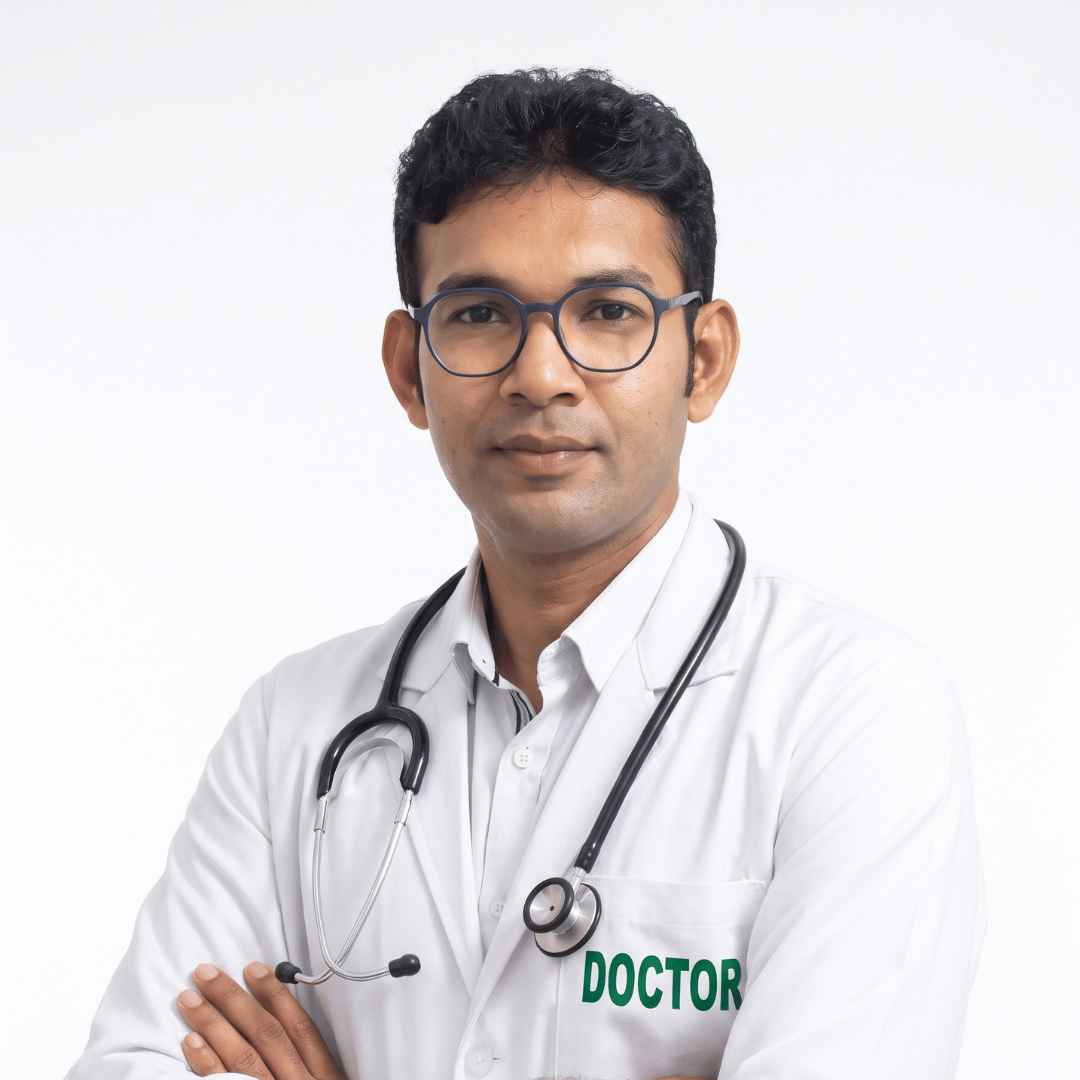
View Profile →MBBS, BCS (Health), D-Ortho (BSMMU)
Orthopedics (Bone, Joint, Spine) Specialist & Trauma Surgeon
🎯 Fracture repair, ACL tears, Joint replacement, Spinal stenosis, Rotator cuff
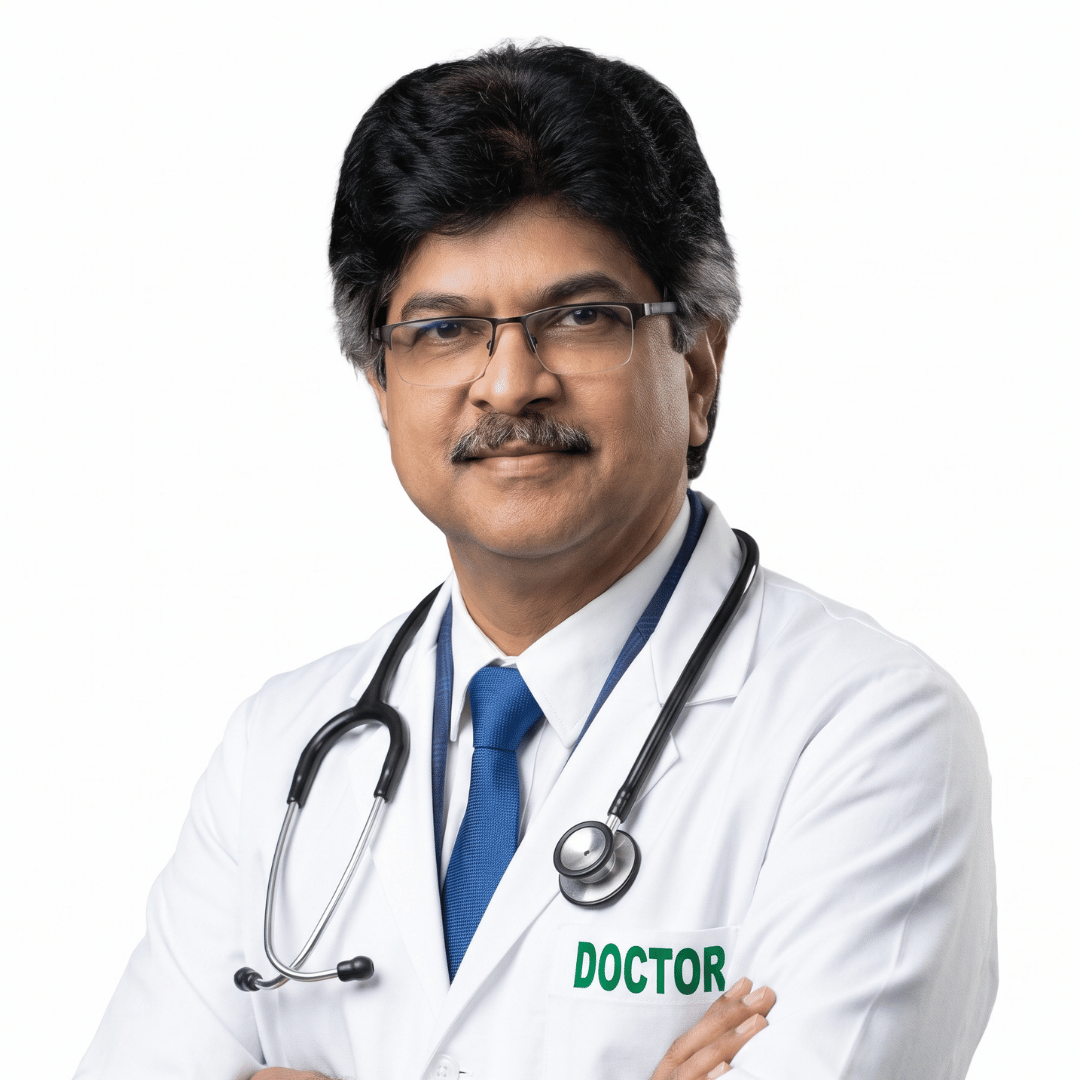
View Profile →MBBS, BCS (Health), D-ORTHO (BSMMU), FCPS (FP)
Orthopedics Specialist & Trauma Surgeon
🎯 Osteoarthritis care, Labral tears, Trigger finger, Stress fractures, Disk herniation
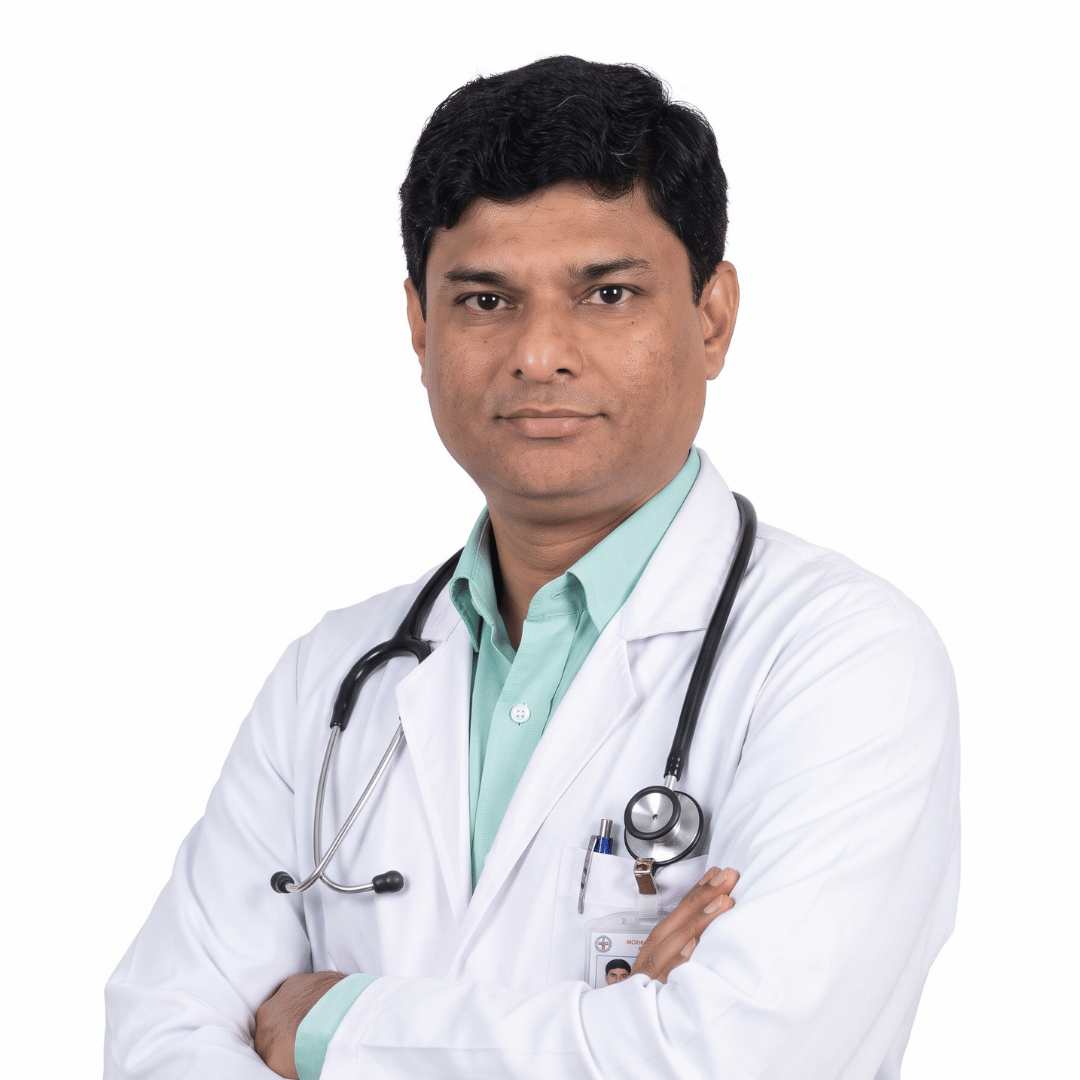
View Profile →MBBS, BCS (Health), D-Ortho (BMU), FCPS (Orthopedics, FP)
Orthopedics (Bone, Joint, Sports Injury) Specialist & Trauma Surgeon
🎯 Patellar tendinitis, Sciatica relief, Biceps tendonitis, Ankle sprains, Kyphosis correction
View Profile →MBBS (Dhaka), MS (Ortho), FRCS (Glasgow), FACS (America) trained in spine
Orthopedics (Bone, Joint, Trauma) Specialist & Spine Surgeon
🎯 Cartilage damage, Femoroacetabular impingement, Dupuytren contracture, Bursitis treatment, Joint dislocations
View Profile →MBBS, D-ORTHO (Surgery), FRSH (UK)
Orthopedics (Bone, Joint, Trauma, Injury) Specialist & Surgeon
🎯 Bone infections, Frozen shoulder, Spondylolisthesis repair, Morton neuroma, Shin splints
View Profile →MBBS, MS (Orthopedics Surgery)
Orthopedics (Bone, Joint, Trauma, Spine) Specialist & Surgeon
🎯 Laryngitis care, Thyroid disorders, Pharyngitis relief, Salivary gland, Swallowing difficulties
View Profile →All Orthopedics doctors in Khulna → · All of Khulna Division →