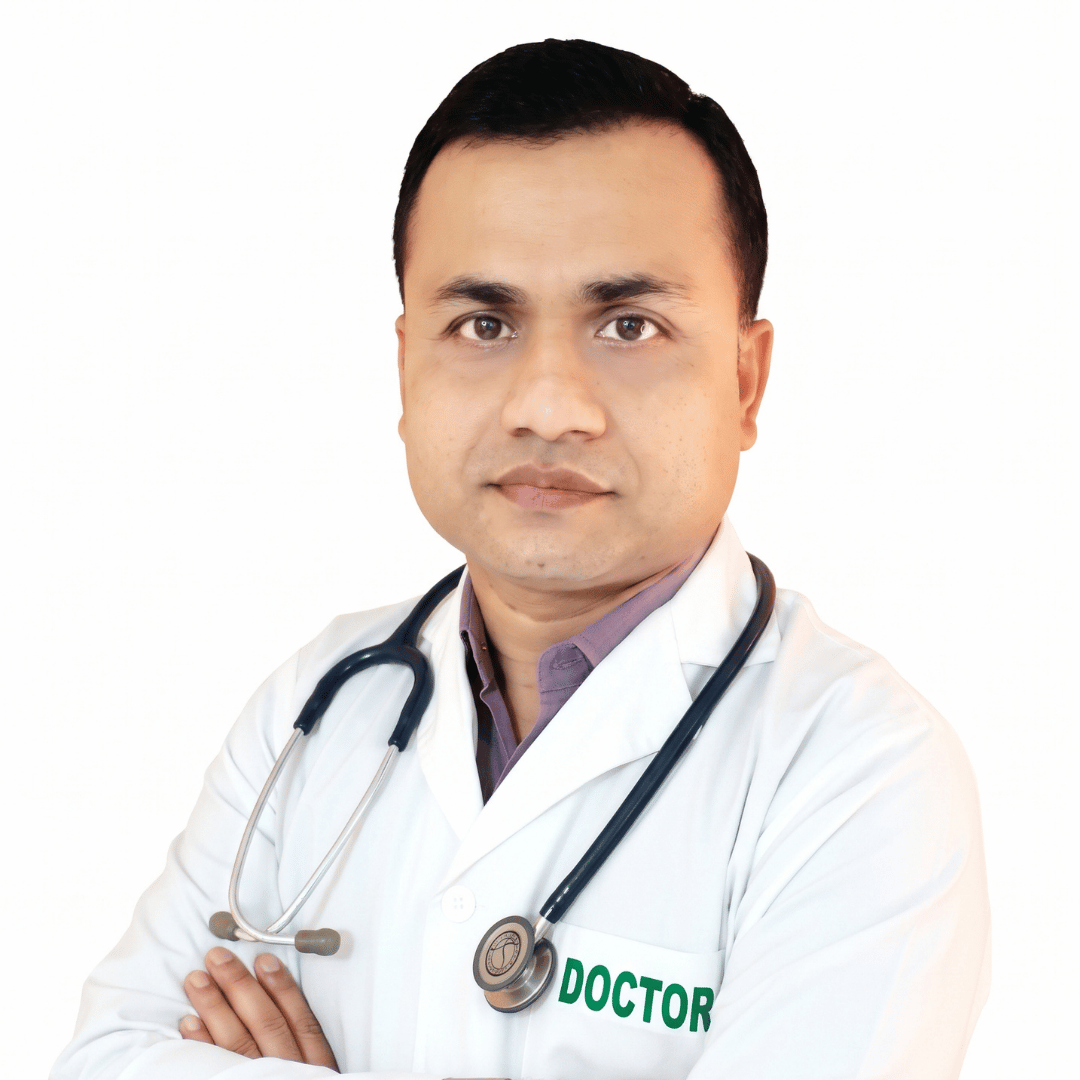

MBBS, BCS (Health), MD (Child), FCPS (Child) FP, ICPPN (Nutrition), AAME (America)
Newborn & Child Diseases Specialist
🎯 Neonatal care, Childhood vaccination, Growth monitoring, Pediatric asthma, Infant nutrition
View Profile →Pediatric
MBBS, MCPS, MD (Pediatrics)
Newborn, Child & Adolescent Diseases Specialist
🎯 Expert in treating: Attention deficit, Pediatric seizures, Congenital disorders, Failure to thrive, Neonatal screening
🎓 Professor, Pediatrics
🏛️ Khulna Medical College & Hospital, Khulna
Professor, Pediatrics — Khulna Medical College & Hospital, Khulna
Prof. Dr. Khan Golam Mostafa best Pediatrician doctor in Khulna City delivers specialized diagnostic and clinical care for complex newborn, child, and adolescent medical conditions. Looking for the best Child Specialist in Khulna, individuals consult him for precise attention deficit evaluations, pediatric seizure management, and advanced failure to thrive treatment protocols. His clinical practice spans general pediatrics, neonatology, pediatric neurology, and congenital disorder care. He integrates modern pediatric diagnostics with targeted pharmacological therapies to optimize children's health.
🏥 Khulna City Medical College & Hospital · Private Hospital
📍 25/26, KDA Avenue, Moilapota Square, Khulna Sadar, Khulna
🕒 Visiting hours: 8:00pm to 5:00pm (Closed: Friday)
💳 Consultation fee: ৳800
Prof. Dr. Khan Golam Mostafa is a Professor of Pediatrics at Khulna Medical College & Hospital, Khulna with over 30 years of distinguished clinical, academic, and hospital experience. As an eminent child specialist, neonatologist, and adolescent medicine expert, he provides expert care for attention deficit disorders, pediatric seizures, congenital disorders, failure to thrive, and neonatal screening. Parents seeking expert clinical evaluation for pediatric symptoms receive evidence-based treatments tailored to restore childhood wellness. His medical practice combines high-precision clinical pediatrics with individualized patient care plans.
Prof. Dr. Khan Golam Mostafa completed his MBBS degree, establishing a comprehensive foundation in clinical medicine. He pursued rigorous postgraduate specializations, earning his Membership of the College of Physicians and Surgeons (MCPS) alongside his Doctor of Medicine (MD) in Pediatrics—a premier postgraduate qualification dedicated to operative and non-operative disorders of infants, children, and adolescents. Finding the best Pediatrician in Khulna or a top Child Specialist leads patients to rely on his three decades of academic leadership and specialized clinical expertise across premier government medical institutions.
His primary clinical focus includes specialized behavioral and neurodevelopmental evaluations for attention deficit disorders, electroencephalographic monitoring for pediatric seizures, diagnostic genetic workups for congenital disorders, nutritional rehabilitation for failure to thrive, and comprehensive newborn evaluations through neonatal screening. His diagnostic framework incorporates pediatric anthropometric assessment, metabolic profiling, and developmental milestone screening to formulate effective, long-term care strategies.
| Profile Field | Details |
| Full Name | Prof. Dr. Khan Golam Mostafa |
| Primary Specialty | Pediatrics & Neonatology |
| Secondary Specialties | Pediatric Neurology, Child Development & Neonatal Screening |
| Designation | Professor (Pediatrics) |
| Workplace | Khulna Medical College & Hospital, Khulna |
| Total Experience | 30+ Years |
| Location | Khulna, Bangladesh |
MBBS – Bachelor of Medicine and Bachelor of Surgery
MCPS – Member of the College of Physicians and Surgeons
MD (Pediatrics) – Doctor of Medicine in Pediatrics
Designation: Professor (Pediatrics)
Workplace: Department of Pediatrics, Khulna Medical College & Hospital, Khulna
Attention deficit requires behavioral therapy management.
Pediatric seizures demand structured anticonvulsant care.
Congenital disorders need comprehensive genetic evaluations.
Failure to thrive requires nutritional support.
Neonatal screening detects metabolic disorders early.
Neonatal care requires intensive newborn monitoring.
Childhood vaccination prevents dangerous infectious diseases.
Growth monitoring tracks developmental milestones accurately.
Pediatric asthma demands structured inhaler therapy.
Infant nutrition ensures optimal early development.
Pediatric food allergies require strict avoidance.
Childhood malnutrition demands structured nutritional support.
Chronic cough needs thorough airway evaluation.
Childhood febrile illness requires fever management.
Developmental delay requires multidisciplinary evaluation.
Prof. Dr. Khan Golam Mostafa provides comprehensive medical, diagnostic, and preventive services across all major fields of pediatrics, pediatric neurology, and neonatology.
Attention Deficit & Behavioral Pediatrics: Comprehensive diagnostic screening and behavioral management protocols for attention deficit and neurodevelopmental conditions.
Pediatric Neurology & Seizure Care: Electroencephalographic evaluation, seizure control protocols, and neurological management for pediatric epilepsy and seizures.
Congenital Disorders & Neonatal Screening: Advanced diagnostic screening, metabolic profiling, and multidisciplinary care for congenital anomalies and newborn screening.
Failure to Thrive & Pediatric Nutrition: Tailored nutritional rehabilitation, growth monitoring, and metabolic support for infants and children experiencing growth failure.
Systematic clinical evaluation utilizing standardized assessment tools to track behavioral, cognitive, and neurological milestones in growing children.
Advanced laboratory screening of newborns for congenital metabolic and genetic disorders to ensure early intervention and prevent irreversible complications.
Precise measurement and charting of pediatric weight, height, and head circumference against standard WHO growth curves.
A neurodevelopmental condition characterized by inattention, hyperactivity, and impulsivity, managed through behavioral therapy and structured family support.
Recurrent unprovoked electrical disturbances in the pediatric brain, requiring precise classification and long-term anticonvulsant therapy.
A condition where a child's physical growth is significantly below established norms, requiring comprehensive nutritional and medical investigation.
Prof. Dr. Khan Golam Mostafa combines meticulous clinical pediatric examination with comprehensive developmental tracking and advanced diagnostic testing. His evidence-based philosophy emphasizes family-centered care, preventive health education, and rational pharmacological therapy to ensure optimal childhood development.
Emergency Callout: Immediate emergency pediatric medical attention is required if a child experiences severe acute respiratory distress, high fever with lethargy or confusion, persistent vomiting, or signs of severe dehydration.
Member, Bangladesh Medical and Dental Council (BMDC)
Member, Bangladesh Pediatric Association (BPA)
Fellow, International Pediatric Association (IPA)
Bring all prior immunization cards, growth tracking charts, neonatal screening results, and previous prescription records.
Maintain a complete list of current prescription medications, vitamin supplements, and past medical history.
Keep a detailed symptom diary noting fever patterns, feeding difficulties, or behavioral changes.
Ensure both parents or a primary guardian accompany the child to assist with developmental history discussions.
Last Modified: October 18, 2026
Children with attention deficit disorders often display persistent patterns of inattention, hyperactivity, and impulsivity that interfere with daily functioning and academic performance. They may struggle to maintain focus on tasks, follow instructions, or organize daily activities. Early behavioral screening and specialist evaluation help establish effective management strategies.
Pediatric seizures are diagnosed through detailed clinical histories, neurological examinations, and diagnostic tools like electroencephalography (EEG) to record brain wave activity. Management involves identifying the specific seizure type and prescribing appropriate long-term anticonvulsant medications to prevent recurrence. Regular pediatric neurological follow-ups ensure optimal seizure control and developmental support.
Neonatal screening involves testing newborns shortly after birth for serious metabolic, genetic, and congenital conditions before symptoms manifest. Early detection allows clinicians to initiate timely dietary or medical interventions that prevent permanent organ damage, intellectual disability, or developmental delays. Routine screening is a vital component of modern preventive neonatal healthcare.
Failure to thrive is evaluated by tracking pediatric weight and height trajectories against standardized growth curves, alongside detailed dietary and medical investigations. Treatment focuses on addressing underlying organic causes, optimizing caloric intake, and implementing structured nutritional rehabilitation plans. Multidisciplinary support ensures that growing children achieve healthy developmental catch-up.
Evaluating congenital structural disorders involves comprehensive physical examinations, advanced imaging studies such as ultrasounds or MRIs, and genetic testing. These diagnostic modalities help specialists map anatomical anomalies and assess functional impacts on organ systems. Accurate diagnosis guides surgical and medical intervention planning.
Regular growth monitoring allows pediatricians to track weight and height trajectories against standardized growth curves to detect early signs of nutritional deficiencies. Identifying growth faltering or excessive weight gain early enables timely dietary and medical interventions. Consistent tracking ensures children achieve their full genetic and developmental potential.
Adhering to the national childhood vaccination schedule protects children from severe, potentially life-threatening infectious diseases like polio, measles, and pertussis. Vaccines stimulate the immune system safely to build robust long-term protection without causing the actual disease. Completing all recommended doses also contributes to community herd immunity.
Parents should seek immediate emergency medical care if an infant under three months old has a fever above 100.4°F, or if an older child displays severe breathing difficulties, unresponsiveness, persistent vomiting, or a stiff neck. Rapid medical intervention in these critical scenarios prevents life-threatening complications. Knowing emergency warning signs empowers parents to act swiftly.
Parents should bring the child's immunization card, growth tracking charts, neonatal screening results, prior EEG reports, and previous hospital discharge summaries. Providing a detailed history of symptom timelines, developmental milestones, and current medications is equally important for an accurate evaluation. Having these comprehensive records allows Prof. Mostafa to design an efficient and tailored care plan.
No reviews yet — be the first to write one.
MBBS, BCS (Health), MD (Child), FCPS (Child) FP, ICPPN (Nutrition), AAME (America)
Newborn & Child Diseases Specialist
🎯 Neonatal care, Childhood vaccination, Growth monitoring, Pediatric asthma, Infant nutrition
View Profile →MBBS (Dhaka), MPH, PGPN (Boston), PGT (Child)
Child Diseases & Nutrition Specialist
🎯 Developmental delays, Pediatric fever, Common cold, Childhood diarrhea, Ear infections
View Profile →MBBS, BCS (Health), DCH (DU)
New Born, Child Diseases and Nutrition Specialist
🎯 Urinary tract, Pediatric eczema, Childhood obesity, Juvenile arthritis, Type 1 diabetes
View Profile →MBBS, BCS (Health), DCH (CHILD)
Child, Adolescent and Newborn Disease Expert
🎯 Neonatal jaundice, Pediatric pneumonia, Behavioral issues, Allergy management, Adolescent medicine
View Profile →MBBS (DMC), BCS (Health), FCPS (Pediatrics)
Child Diseases Specialist
🎯 Infant colic, Diaper dermatitis, Teething management, Childhood anxiety, Vision screening
View Profile →MBBS, BCS (Health), DCH (DU), FCPS (Pediatrics), MD (Pediatric Gastroenterology)
Child Diseases & Child Gastroliver Specialist
🎯 Pediatric Acidity, Immunization schedules, Pediatric infections, Croup management, Colic relief
View Profile →MBBS, MCPS, MD (Pediatrics)
Child Specialist
🎯 Bone disorders, Pediatric anemia, Asthma management, Childhood trauma, Growth tracking
View Profile →MBBS, BCS (Health), MD (BSMMU)
Child Diseases, Pediatric Hematologist & Oncologist
🎯 Pediatric migraines, Speech delays, Food allergies, Sleep disturbances, Bedwetting management
View Profile →MBBS, DCH, MD (CHILD), FRCP (UK)
Newborn, Adolescent & Child Diseases Specialist
🎯 Pediatric migraines, Speech delays, Food allergies, Sleep disturbances, Bedwetting management
View Profile →All Pediatric doctors in Khulna → · All of Khulna Division →